Benefits of Online Tutoring in 2026: Why More Families Are Switching
Online tutoring has moved from a pandemic-era stopgap to a mainstream way of learning. In 2026, parents and students no longer treat it as a last resort. They choose it first. Flexible schedules, wider access to specialists, and measurable results have made online tutoring a serious alternative to the traditional after-school class. If you are weighing your options, this guide walks through the real, practical benefits and where the model shines brightest.
The shift is not just anecdotal. Learning at a distance now sits alongside classroom teaching in the research literature, and the results are encouraging when programs are well designed and consistent.
Why Online Tutoring Works So Well in 2026
The biggest advantage is simple: access. A student in a small town can now learn from a subject specialist in a capital city without either person leaving home. That erases the geographic lottery that once decided who got quality support.
Sessions also fit around real life. Families juggle sports, jobs, and long commutes. A tutor available on a weeknight or a Sunday morning removes the scheduling friction that used to derail good intentions.
Personalisation That a Classroom Cannot Match
A teacher with thirty students moves at the pace of the middle. A one-on-one tutor moves at the pace of your child. When a concept clicks, they push forward. When it does not, they slow down and re-explain it a different way. That responsiveness is where most of the gains come from.
Good tutors also keep records. They track which topics wobble and which are solid, then plan the next session around the gaps. Over a term, that data-driven approach compounds into real grade improvement.
There is a psychological benefit too. A student who fears looking foolish in front of thirty classmates will often stay silent and let confusion snowball. In a private online session, that fear disappears. The learner asks the questions they were too embarrassed to raise in school, and understanding grows.
Consider a student who dreads algebra. In class, they nod along and fall further behind each week. A patient online tutor rewinds to the exact point where the confusion began, rebuilds the foundation, and moves forward only when the concept is solid. That is impossible to replicate in a busy classroom.
Key Benefits of Online Tutoring for Students and Parents
Here is where the model delivers concrete value for most households:
- Comfort of home: students learn in a familiar space, which lowers anxiety, especially for shy learners.
- Recorded sessions: many platforms let students replay a lesson before an exam.
- Digital tools: shared whiteboards, screen sharing, and instant document editing make abstract topics visual.
- Wider subject choice: niche subjects like A-Level Further Maths or advanced chemistry become findable.
- No travel time: the hour saved on commuting goes back into study or rest.
- Cost efficiency: tutors without travel overheads can often offer fairer rates.
For parents, the visibility matters too. It is far easier to glance in on an online session and gauge progress than to wonder what happened during a class across town.
How Does Online Tutoring Compare to In-Person Tutoring?
Both work. The right choice depends on the learner. The table below breaks down the main differences so you can match the format to your situation.
| Factor | Online Tutoring | In-Person Tutoring |
|---|---|---|
| Access to specialists | Nationwide or global | Limited to your area |
| Scheduling flexibility | High, including evenings | Moderate, travel-bound |
| Session recordings | Usually available | Rarely available |
| Travel time | None | Often significant |
| Hands-on practical work | Screen-based tools | Physical materials |
| Typical cost | Often lower | Often higher |
Research from institutions such as the The Open University, a pioneer in distance education, has long shown that well-structured remote learning can match or exceed classroom outcomes when engagement stays high. The key word is engagement, not the medium.
How to Get the Most From Online Tutoring
The format is only as strong as the routine around it. Follow these steps to turn sessions into steady progress:
- Set a fixed weekly slot so tutoring becomes a habit, not an afterthought.
- Create a quiet, distraction-free study space with a stable internet connection.
- Share the school syllabus and recent test papers with the tutor from day one.
- Agree on clear, measurable goals, such as a target grade or a mastered topic list.
- Review recorded sessions before assessments to reinforce weak areas.
- Ask for short progress check-ins every few weeks.
Students who treat tutoring as an active partnership, rather than a passive lecture, see the fastest gains. Encourage your child to come with questions, not just problems.
It also helps to connect tutoring to school work directly. When a session tackles the exact topic being covered in class that week, the two reinforce each other. The student walks into school already familiar with the material and starts to lead rather than lag.
Parents play a quiet but important role here. A brief chat with the tutor once a month keeps everyone aligned on goals and progress. You do not need to hover; you simply need to stay informed and celebrate the small wins that keep a young learner motivated.
Choosing the Right Platform and Tutor
Look for verified qualifications, subject specialisation, and genuine reviews. A trial session is worth its weight in gold; personality fit matters as much as expertise. Families who want structured programmes often start with a provider offering online learning courses alongside one-to-one support, so learning stays consistent between sessions.
When you vet providers, treat them the way you would any other service. Seek out dependable specialists with a track record you can verify, and never settle for vague promises.
Frequently Asked Questions
Is online tutoring as effective as face-to-face lessons?
Yes, when it is consistent and well structured. Studies on distance education show comparable outcomes to classroom teaching, provided the student stays engaged and the tutor personalises the sessions.
What age groups benefit most from online tutoring?
All ages benefit, but older primary students, secondary students, and exam candidates tend to gain the most because they can work independently between sessions and use digital tools well.
How many sessions per week does a student need?
One to two sessions per week suits most learners. Students preparing for major exams may add a third session in the final weeks, focused on past papers and timed practice.
What equipment do I need to start?
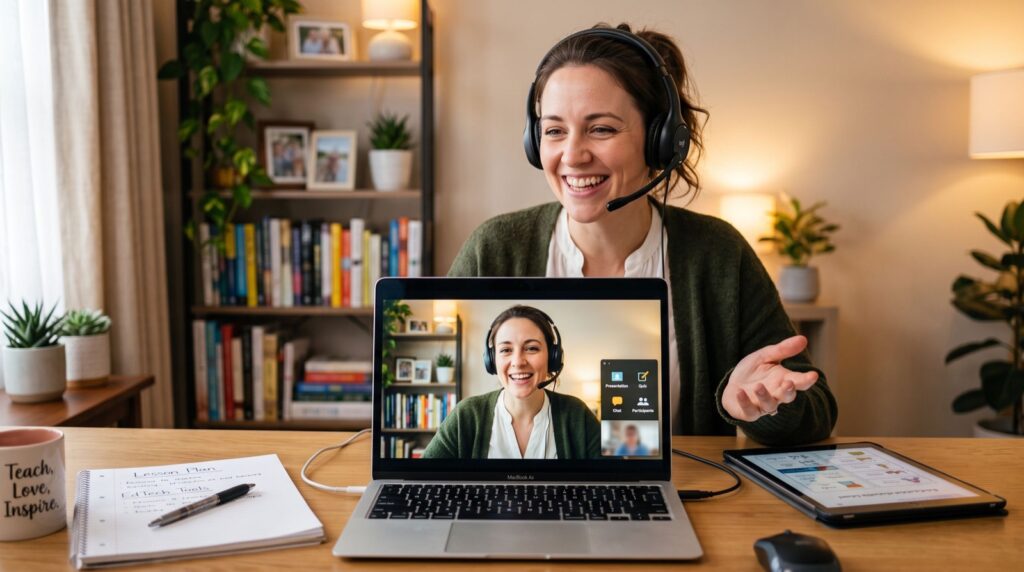
A laptop or tablet, a reliable internet connection, a headset, and a quiet space are enough. Some subjects benefit from a graphics tablet or a document camera, but neither is essential to begin.
Conclusion
The case for online tutoring in 2026 is strong: broader access to specialists, flexible scheduling, personalised pacing, and measurable results. It removes the barriers that once limited who could get quality academic support and puts a great teacher within reach of any motivated student.
If you are ready to give your child a personalised path to better grades, explore trusted online tutoring today and book a trial session. The right tutor, paired with a steady routine, can transform confidence and results in a single term.