The Best Money Apps of 2026: Tools That Actually Grow Your Wallet
Finding the best money apps in 2026 no longer means downloading a dozen tools and hoping one sticks. The right app can automate your savings, round up spare change, track every subscription, and even pay you cash back on groceries you were buying anyway. This guide walks through the categories that matter, the features worth paying for, and the honest trade-offs most reviews skip.
I have tested budgeting and cash-back tools across three phones and two banks over the past two years, so the recommendations below come from actual daily use, not a spec sheet. If you want a broader roundup of the best money apps across every category, that pillar resource pairs well with what follows here.
Why the Best Money Apps Matter More in 2026
Household budgets are tighter and prices are stickier. According to the Federal Reserve’s Economic Well-Being of U.S. Households report, a large share of adults still could not cover a modest emergency expense with cash. A good money app closes that gap by automating the boring parts of personal finance so you actually follow through.
The best tools share three traits. They reduce decisions, they surface hidden waste, and they nudge you toward action without lecturing. Everything else is decoration.
What Separates a Great App From a Gimmick
- Automation: It moves money or flags problems without you remembering to open it.
- Transparency: Fees, interest, and data practices are stated plainly.
- Security: Bank-level encryption and multi-factor login are standard, not premium.
- Real payoff: The dollars saved or earned exceed any subscription cost within a month.
Budgeting and Tracking Apps
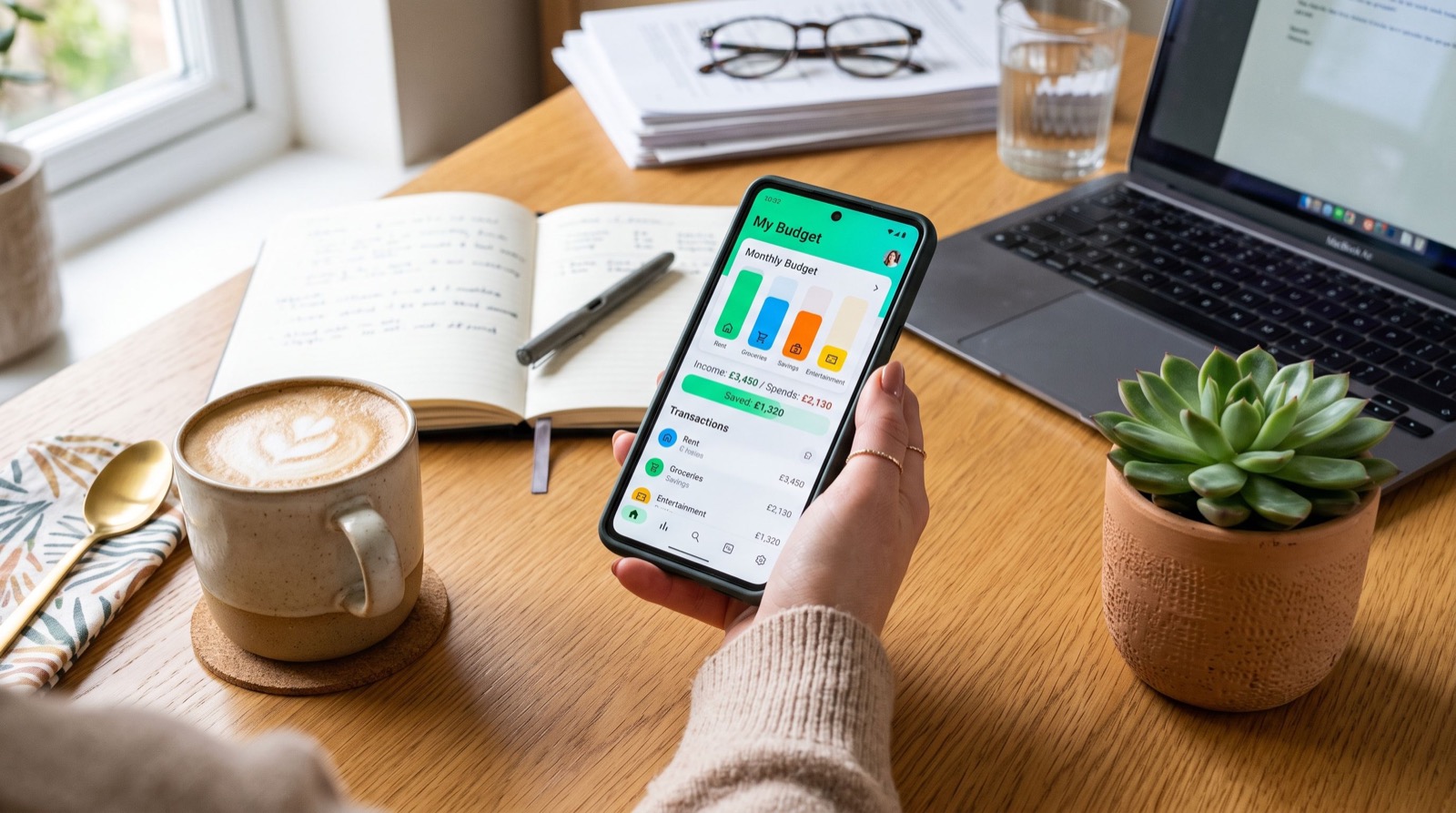
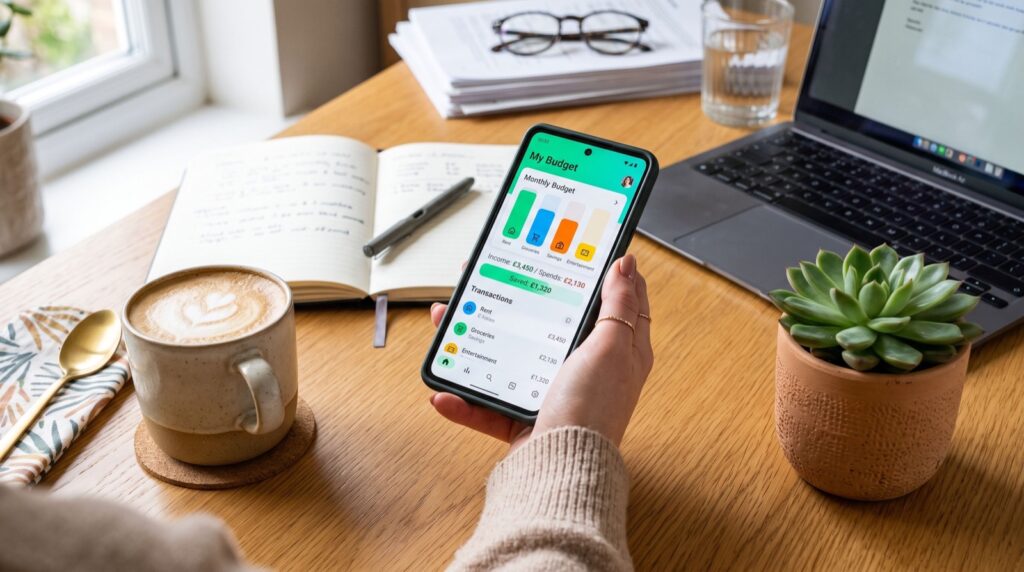
Budgeting apps are the foundation. They connect to your accounts, categorize spending, and show where your money leaks. The zero-based approach, where every dollar gets a job, works well for people who overspend on impulse buys. Envelope-style apps suit anyone who prefers visual limits per category.
My practical tip: pick one budgeting method and stick with it for 60 days before switching. Constant app-hopping is the number one reason people abandon budgeting entirely.
Features Worth Prioritizing
- Automatic transaction sync across all your banks and cards.
- Custom categories so your budget matches your real life.
- Bill and subscription detection to catch forgotten charges.
- Shared access for couples or families managing one budget.
Cash-Back and Rewards Apps
Cash-back apps turn ordinary spending into a small rebate. Grocery-receipt scanners, browser extensions, and linked-card offers each pay you differently. Stacking a card offer with a receipt-scan deal on the same purchase can double your return with almost no effort.
Peer-to-peer payment tools also belong here because many now offer cash-back on debit purchases and instant transfers. If you use one heavily, our Cash App guide breaks down the fees, boosts, and safety settings you should adjust on day one.
Saving and Investing Apps
Round-up apps sweep spare change from purchases into savings or micro-investments. It feels painless because you never see the money leave in large chunks. High-yield savings accounts inside these apps often beat traditional bank rates by a wide margin in 2026.
For beginners, fractional-share investing removes the biggest barrier: you can own a slice of an expensive stock or fund for a few dollars. Just confirm the platform is a registered broker-dealer and check the fee schedule before enabling recurring buys.
How Do the Top Money App Categories Compare?
The table below summarizes what each category does best and who it fits, so you can build a small stack instead of one bloated app trying to do everything.
| App Type | Main Benefit | Best For | Typical Cost |
|---|---|---|---|
| Budgeting | See and control spending | Overspenders, planners | Free to ~$15/mo |
| Cash-back | Rebates on normal spending | Frequent shoppers | Free |
| Round-up savings | Painless automatic saving | Non-savers | Free to ~$5/mo |
| Micro-investing | Start with small amounts | New investors | Free to ~$9/mo |
| P2P payments | Send money and get cash-back | Everyone | Free (fees on some transfers) |
Building Your Ideal Money App Stack
You do not need every app. A lean, effective stack usually includes one budgeting app, one cash-back tool, and one automated savings feature. Layering more than three often creates friction that makes you check none of them.
Before installing anything, review privacy permissions. The Consumer Financial Protection Bureau offers plain-language guidance on how financial apps handle your data and what rights you have. Treat data access like a fee: worth it only if you get real value in return.
A Simple 30-Day Rollout Plan
- Week 1: Connect one budgeting app and let it categorize a full week of spending.
- Week 2: Add a cash-back app and start scanning receipts or linking a card.
- Week 3: Turn on round-up savings with a modest weekly cap.
- Week 4: Review results, cancel one wasteful subscription, and lock in what works.
For hands-on projects around the home that also protect your budget, a dependable experienced local team can save you time you would otherwise spend fixing avoidable mistakes.
Frequently Asked Questions
Are the best money apps actually free?
Many core features are free, especially cash-back and basic budgeting. Premium tiers unlock advanced automation, faster transfers, or deeper analytics. Judge each subscription by whether it earns or saves more than it costs each month.
Are money apps safe to link to my bank account?
Reputable apps use bank-level encryption, read-only connections, and multi-factor authentication. Verify the provider is established, enable every security setting, and avoid apps that request more permissions than their function requires.
How many money apps should I use at once?
Two or three is the sweet spot. One budgeting app, one cash-back tool, and one savings feature cover most needs without overwhelming you. Too many apps leads to neglect and defeats the purpose.
Which app is best for someone new to budgeting?
Start with a simple, automated budgeting app that syncs transactions and detects subscriptions. Once the habit sticks, add cash-back and savings tools to build a complete, low-effort money system.
Conclusion
The best money apps in 2026 are not the flashiest; they are the ones you keep using. A tight stack of budgeting, cash-back, and automated savings tools can quietly add hundreds to your bank balance each year while cutting the mental load of managing money. Start with one app, prove the value, and expand from there. Explore the full lineup of trusted tools and start building a smarter money system today.